Hello, welcome to a world…
Where Words Have Wings
Welcome to my creative corner! I am a passionate writer, poet, and artist living in the beautiful landscape of Northeast Oklahoma. My life is shared with my husband, my mother, and our two beloved dogs and a mischievous cat. Together, we explore the world, drawing inspiration from the everyday moments that surround us.
My love for words ignited during childhood, thanks to my Grandmother, who would whisk me away into the imaginative worlds of Dickens during our bedtime stories. Her dedication to cultivating my love for reading led her to countless auctions, where she would gather a treasure trove of books for me, sparking my curiosity and passion for storytelling.
Through my writing and poetry, I seek to capture the beauty and complexity of life, painting vivid imagery with words. I am continually exploring new depths of creativity and expression, and my journey doesn’t stop at the page. Currently, I am immersing myself in the Cherokee language and expanding my knowledge at Rogers State University, where I am studying English.
Join me as I share my love for writing, poetry, and art, reflecting the wonders of the world around us. Whether through the written word or visual expression, I aim to inspire and connect with others who share a passion for creativity and beauty.
Fiction
Fiction is a literary genre that involves narratives created from the imagination rather than based strictly on real events or facts. It encompasses various forms, including novels, short stories, and plays, and can include fantastical elements, imaginative characters, and invented settings. While fiction can be inspired by real-life experiences or themes, it typically prioritizes storytelling and creativity over factual accuracy. Fiction often explores human experiences, emotions, and relationships, allowing readers to engage with different perspectives and worlds.
Creative Non-Fiction
Creative non-fiction is a genre of writing that combines factual information with literary styles and techniques typically associated with fiction. It aims to tell true stories in an engaging and artistic manner while maintaining the integrity of the factual content. This genre includes personal essays, memoirs, literary journalism, and narrative non-fiction, among others.
Key characteristics of creative non-fiction include:
- Real Events: The narratives are based on real-life events, people, and experiences.
- Artistic Techniques: Writers use elements such as character development, dialogue, descriptive language, and narrative structure to enhance the storytelling.
- Personal Perspective: Often, the author’s voice and perspective play a crucial role, allowing for a subjective interpretation of facts.
- Emotional Resonance: Creative non-fiction aims to evoke emotions and connect with readers on a personal level, making real stories compelling and relatable.
Overall, creative non-fiction seeks to blur the lines between fact and art, presenting truth in a way that captivates readers.
Non-Fiction
Nonfiction is a genre of writing that is based on real facts, events, and people. It encompasses a wide range of works, including biographies, history, essays, journalism, academic texts, and self-help books. Unlike fiction, which is driven by imaginative storytelling, nonfiction presents information that can be verified and is intended to inform, educate, or provide insight into a particular subject matter.
Key characteristics of nonfiction include:
- Factual Basis: Nonfiction works are grounded in reality and aim to convey truths about the world.
- Informative: They often seek to inform the reader about specific topics, provide evidence, or present analyses.
- Variety of Forms: Nonfiction can take many forms, from essays and articles to documentaries and textbooks.
- Critical Thinking: Nonfiction often encourages readers to think critically about the information presented and its implications.
Overall, nonfiction plays a significant role in education, communication, and the sharing of knowledge, offering a window into the real world and its complexities.
Poetry
Poetry is a form of literary expression that uses rhythmic and often condensed language to evoke emotions, create imagery, and convey ideas. It is characterized by its use of various devices such as meter, rhyme, symbolism, and metaphor. Poetry can take many forms, including sonnets, haikus, free verse, and narrative poems, each with its own structure and conventions.
Key characteristics of poetry include:
- Imagery: Poets often use vivid and descriptive language to paint pictures in the reader’s mind, appealing to the senses.
- Sound Devices: Elements like rhyme, alliteration, assonance, and rhythm are used to enhance the musical quality of the poem and create a specific mood.
- Emotion: Poetry frequently explores complex emotions and subjective experiences, allowing readers to connect on a personal level.
- Conciseness: Poetry often conveys profound meanings in a few carefully chosen words, making each word significant.
- Form and Structure: Different types of poetry have specific forms (such as sonnets or limericks) that influence how the content is presented.
Overall, poetry is a unique and powerful mode of communication that invites readers to interpret and experience language in a deeply expressive way.
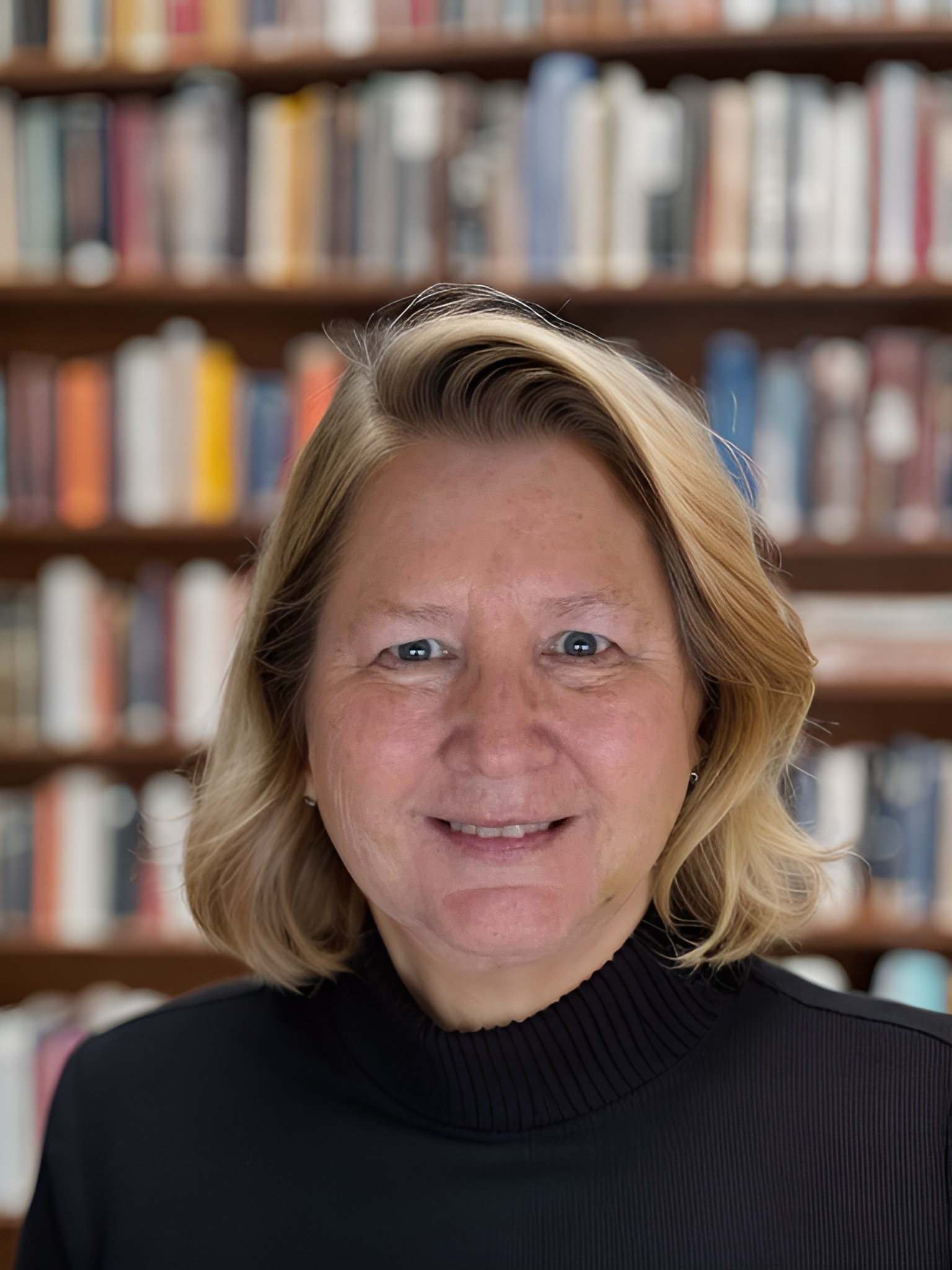
Victoria Hite-Moore
With over 50 years of being in love with the creative, Victoria brings her unique life experiences to others through creative imagery and thought provoking writing.
From Serene

To Bizarre
Portfolio
Poetry, Short Stories, and Experiments with Words
While my heart often dances within the realms of traditional writing genres, I find joy in the thrill of experimentation. Recently, I’ve embarked on a delightful journey with Petrarchan sonnets, where I play with rhythm and rhyme, crafting lyrical expressions of emotion and beauty. Epigrams, with their sharp wit and brevity, have also captured my imagination, allowing me to weave profound insights into just a few carefully chosen words.
In addition, I’ve begun to explore the whimsical world of children’s stories, where imagination knows no bounds. Here, I relish the challenge of creating enchanting tales that spark wonder and joy in young hearts. Each genre, whether classic or new, invites me to transform my thoughts into a tapestry of language, ever eager to discover the magic that lies within each word.
Epigrams
Learning the Rules of Epigrams
An epigram is a concise, witty statement or poem that often conveys a paradoxical or satirical idea. Typically characterized by its brevity and sharpness of expression, an epigram can serve to provoke thought or illustrate a deeper truth in a clever or humorous way. Historically, epigrams have been used in both poetry and prose, and they often feature a play on words or an unexpected twist. Famous examples include the works of poets like Alexander Pope and Oscar Wilde, who mastered the art of wit and irony in their epigrams.
Children’s Stories
Finding my Playful Side
In my quest to find my playful side, I’ve embarked on a delightful journey into the whimsical world of children’s stories. Join Eva Reign, a spirited adventurer with an unyielding sense of curiosity, as she forges unforgettable bonds with her loyal companions—Thunder, her majestic horse, and Toffee, her lovable chocolate lab. Together, they embark on a series of exciting escapades, exploring enchanted forests, uncovering hidden treasures, and discovering the magic that lies just beyond the horizon.
With each turn of the page, young readers are invited to gallop alongside Eva, Thunder, and Toffee, where friendship, bravery, and a splash of imagination lead them to new adventures waiting to be discovered. Through their journeys, I aim to inspire laughter, wonder, and a sense of adventure in the hearts of children, reminding them that the world is full of endless possibilities.
Style and genre
Learning the Rules –
Making the Magic
Pantomime
Unlocking the Art of Pantomime: A Journey of Expression Beyond Words”
Pantomime is a form of theatrical performance characterized by dramatic storytelling conveyed through gestures, facial expressions, and movement rather than spoken words. It often combines elements of drama, comedy, and music, and is especially popular in children’s entertainment.
In traditional pantomime performances, stories are often adapted from fairy tales and include exaggerated characters, audience interaction, and humorous situations. The art of pantomime emphasizes physical expression and is a playful way to engage audiences without relying solely on dialogue.
.
Cinquain
Crafting Beauty in Five Lines: The Art of Cinquain Poetry
A cinquain is a five-line poem that follows a specific syllable or word count structure. There are different forms of cinquains, but one of the most popular is the American or didactic cinquain, which typically adheres to the following format:
- Line 1: One word (title or noun)
- Line 2: Two words (describing the noun)
- Line 3: Three words (expressing action related to the noun)
- Line 4: Four words (a phrase or sentence that reflects a thought or feeling about the noun)
- Line 5: One word (synonym or summary of the noun)
This structure allows poets to convey vivid imagery and emotions succinctly. Another form is the syllabic cinquain, which focuses on a specific number of syllables per line, often using a pattern of 2, 4, 6, 8, and 2 syllables.
Cinquains are great for sparking creativity and encourage concise expression, making them popular in both educational settings and personal writing.
Dizain
Dizain Delights: Discover the Elegance of Ten-Line Poetry
A dizain is a type of poem or stanza that consists of ten lines. It typically follows a specific rhyme scheme, often adhering to an ababbcbcde format. Dizains can vary in meter, but they are commonly written in iambic pentameter or iambic tetrameter.
This form allows for the development of a complete thought or theme within a relatively short piece, making it an effective way to express emotion, narrative, or imagery. Dizains have been used by various poets throughout history and can be a great exercise for writers seeking to explore structured verse.
 Poetry, Short Stories, and Mad Ravings